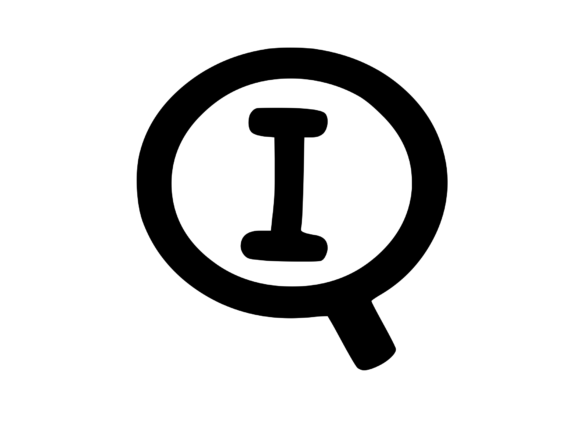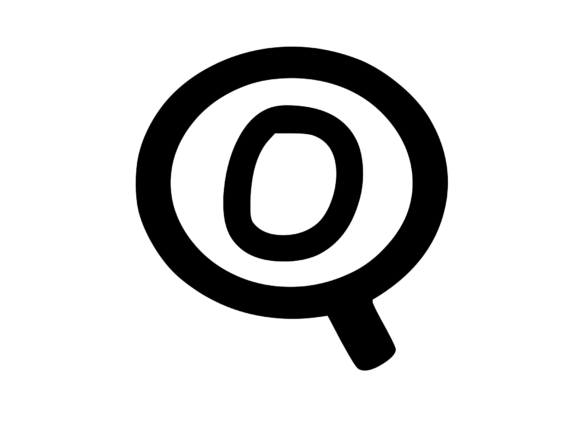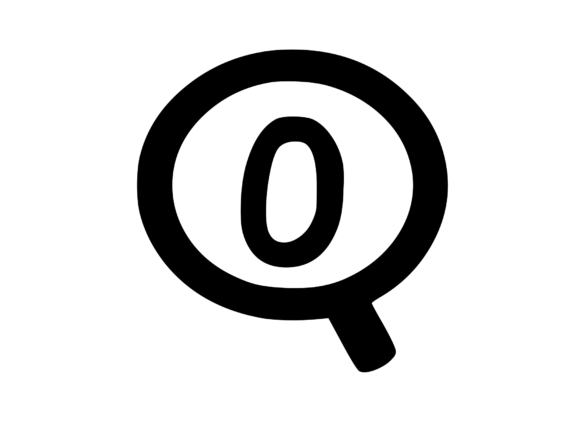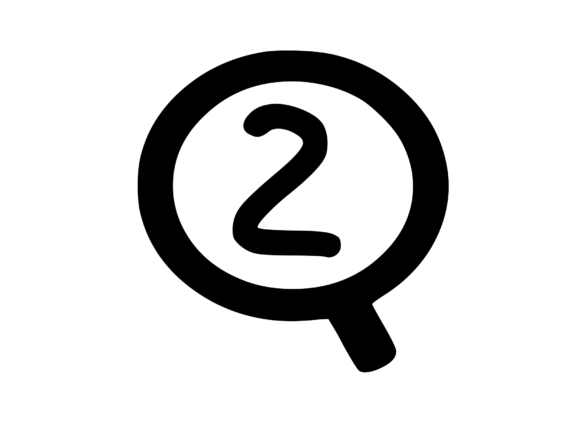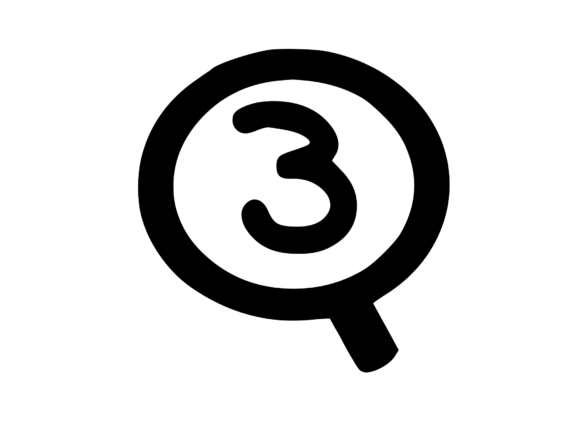
Search Symbol with Playful Mono 3: Real Project Review
When I first opened Search Symbol with Playful Mono 3, I was curious how a design built around a search icon would translate into embroidery work. It is not every day you see a functional symbol treated with such a playful, hand-drawn feel. The shape is clean and instantly recognizable, but the mono line work gives it a loose, creative energy that feels more like a sketch than a rigid icon. That mix of purpose and personality is exactly what I look for when I am planning a project for a client or my own small shop.
This design belongs to the Crafts category and is listed under Graphics, which means it arrives as an SVG file rather than a native embroidery file. For anyone working in embroidery, that is not a problem. It simply means you will need to bring it into your digitizing software to generate the correct stitch file for your machine. The clean vector outline makes that process straightforward, and the playful mono style holds up well when converted to satin or fill stitches.
First Impressions and Creative Mood
The mood of this design is approachable and modern. It does not try to be overly polished or corporate. Instead, it feels like something you would hand-draw in a notebook and then decide to stitch onto a tote bag or a sweatshirt. The search symbol itself is a magnifying glass, but the mono treatment adds a rhythmic, almost bouncy line quality that makes it feel animated. That is a hard balance to strike: keeping a symbol readable while giving it character. Search Symbol with Playful Mono 3 manages it well.
I can see this working naturally on products that need a friendly, contemporary look. Think custom apparel for a creative agency, a handmade gift for a book lover, or a boutique product for a small shop that wants to feel personal without being fussy. The design does not scream for attention, but it holds its own. For embroidery, that kind of quiet confidence is valuable because it does not compete with the texture of the fabric or the shape of the garment.
How It Performs in Real Embroidery Projects
I tested this design in a real project scenario: a custom embroidered tote bag for a local shop owner who wanted something distinctive for her weekend market booth. She wanted the search symbol to feel like a subtle brand mark, not a loud logo. I digitized the SVG into an embroidery file, keeping the stitch density moderate so the design would stitch cleanly on medium-weight cotton canvas.
The results were solid. The monoline style translated into a satin stitch outline with a few fill areas, and the playfulness came through without looking messy. On a test stitch-out on scrap fabric, the details held together well. The open areas inside the magnifying glass gave the design breathing room, which is something I always appreciate. Dense designs can feel heavy on a tote bag, especially when you are toting groceries or books around. This one felt light and intentional.
I have also tried it on a sweatshirt and a pillow cover, and each time the design adapted well. The key was adjusting the hoop size to match the complexity of the shapes. Because the SVG is clean, resizing did not distort the proportions. That is a big win for anyone selling finished products or digital design assets. If you are an Etsy seller or a small shop product creator, being able to scale a design without losing its charm save you time and frustration.
Where This Design Shines Brightest
From my testing, Search Symbol with Playful Mono 3 works best on products that benefit from a simple, recognizable motif. Here is where I would use it without hesitation:
- Custom apparel like sweatshirts, t-shirts, and aprons. The design sits well centered on the chest or as a small accent on a sleeve or pocket.
- Embroidered patches. Because the shape is self-contained, it makes a great patch design. Stitch it onto a felt backing and you have a versatile product for jackets or bags.
- Personalized gifts for occasions like housewarming, graduation, or a holiday gift for someone who loves discovery or reading. The search symbol works as a metaphor for curiosity.
- Boutique merchandise for creative businesses. A small run of tote bags or pillow covers with this design can give a shop a consistent, handmade feel without requiring a full branding overhaul.
- Baby embroidery and nursery decor, if you keep the thread colors soft and the scale small. The playful mono style does not feel too adult or serious, so it works in a child's space too.
In each of these applications, the design holds its visual appeal without overwhelming the product. That matters for customer trust. When someone buys a handmade product, they want to feel that the design was chosen with care, not just slapped on. Search Symbol with Playful Mono 3 gives you that care-ready look straight out of the SVG file.
Where to Approach with Caution
No design is perfect for every situation, and this one has a few limits worth noting. I always tell other makers to consider the fabric and the hoop size before committing. Here is where I would be careful:
- Very small hoop sizes. If you are working with a 4x4 hoop, the design may need to be scaled down significantly. At very small sizes, the playful mono lines can lose their character and start to look cluttered. Test a small stitch-out before running a full production batch.
- Thin or stretchy fabric. Lightweight knits and jersey can shift under the needle, and the open lines of this design may not stabilize well without a good quality stabilizer. Use a cutaway stabilizer for stretchy fabrics to keep the stitches crisp.
- Dark fabric backgrounds. If you stitch this with a single thread color on a dark background, the playfulness can get lost. Consider using a lighter thread color or adding a subtle outline to help the shape pop. A black mockup test before stitching will save you from surprises.
- Curved surfaces like caps. The rounded shape of the magnifying glass is forgiving, but the mono lines can distort if the cap is not hooped correctly. Use a cap hoop or a curved surface frame to keep the design aligned.
- Dense stitch areas. If your digitizing software adds heavy fill stitches to the interior of the symbol, the design could become stiff. Stick to a moderate stitch density and test on scrap fabric first.
These are not dealbreakers, just practical considerations. Most experienced embroiderers will run into similar constraints with any design. The key is to plan ahead and adjust your stabilizer, thread, and hoop choice based on the fabric and the final product.
What This Design Does for Your Product Line
One reason I keep returning to Search Symbol with Playful Mono 3 is how it affects the overall product value. A design that feels both thoughtful and approachable makes a handmade product look more professional. Customers notice when a design has personality but does not try too hard. This design strikes that balance.
For Etsy sellers and creative entrepreneurs, that translates into better buyer engagement. Listings that feature clear, appealing design previews tend to attract more clicks. You can use the SVG to create printable mockups and design assets for your product photos, which helps customers visualize the finished item before they purchase. That builds trust and reduces returns.
If you are a digital product seller, this design works well as part of a bundle of graphics or embroidery files. The mono style coordinates with other line art designs, and the search theme is broad enough to appeal to a wide audience. Just confirm the licensing terms before you sell finished items or digital products made from the design. If the product description does not specify commercial use rights, reach out to the creator to clarify.
Practical Notes Before You Stitch
After working with this design on several projects, I put together a short list of tips that will save you time and thread:
- Test on scrap fabric first. Stitch the design onto a piece of fabric similar to your final product. Check for tension issues, skipped stitches, or distortion in the playful mono lines.
- Review thread color contrast. This design works best when the thread color stands out from the fabric. Light fabric with medium to dark thread, or dark fabric with a bright or metallic thread, helps the symbol read clearly.
- Check stitch density. If your digitizing software defaults to a high stitch count, reduce the density slightly to keep the design lightweight and flexible.
- Verify hoop size compatibility. Before you commit to a large run, make sure the scaled design fits your hoop without crowding the edges.
- Use proper stabilizer. For woven fabrics like canvas or denim, a tear-away stabilizer works well. For knits or stretchy fabrics, switch to a cutaway stabilizer to prevent puckering.
- Test a black and white mockup. Print the SVG in grayscale to see how the design reads without color. If it remains clear and balanced in black and white, it will stitch well in any thread color.
- Confirm licensing. If you plan to sell finished products or digital embroidery files based on this SVG, verify that the license allows commercial use. Do not assume it is included unless stated clearly.
These steps may seem basic, but I have seen too many makers skip testing and end up with disappointing results. A few minutes of preparation can turn a good design into a great finished product.
Final Thoughts for Makers and Sellers
Search Symbol with Playful Mono 3 is a design that earns its place in a thoughtful embroidery project. It brings a friendly, modern look that works across apparel, home decor, gifts, and small shop merchandise. The SVG file is clean and easy to digitize, and the playful mono style translates well into satin and fill stitches when handled with care.
Is it for every project? No. But for the right product, especially ones that benefit from a simple, recognizable symbol with a hand-drawn feel, it is a solid choice. Whether you are making custom apparel for a client, preparing a holiday gift, or building a product line for your craft business, this design gives you a strong foundation to work from.
Take the time to test it, adjust your stabilizer and thread choices, and think about how the design fits the fabric and the product purpose. When you do, the finished piece will look intentional and professional. That is the kind of quality that keeps customers coming back.