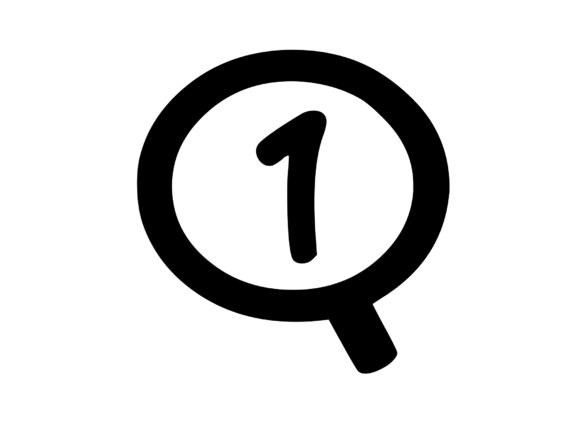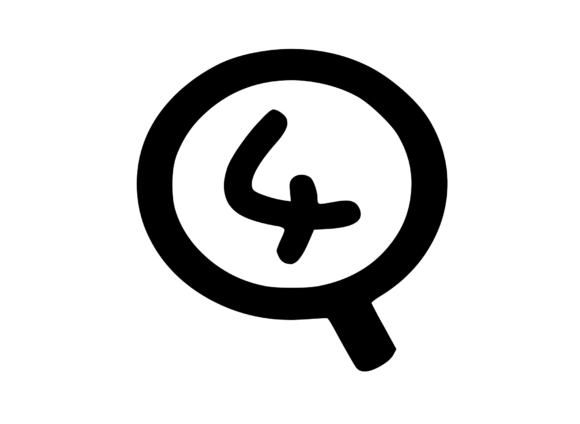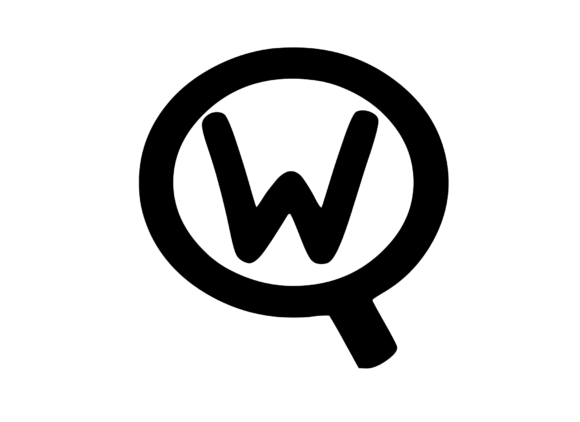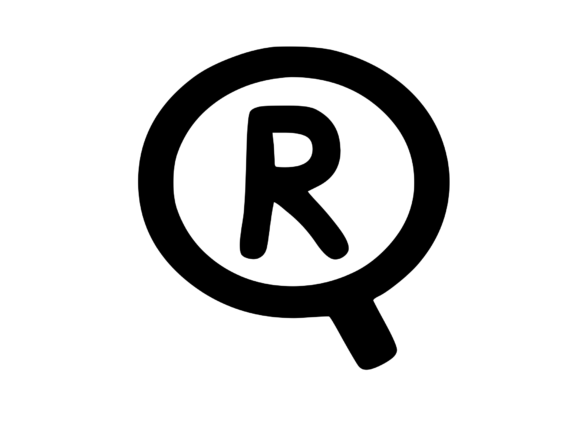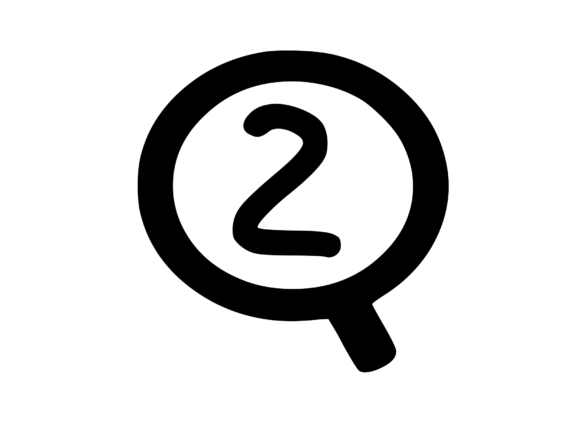
Search Symbol with Playful Mono 2: A Designer's Hands-On Review
When I first opened Search Symbol with Playful Mono 2, I was genuinely curious how a simple search icon with a playful monoline twist would translate into an embroidery project. As someone who has stitched hundreds of digital files and sold finished products at craft fairs and through my Etsy shop, I have learned that not all clean vector designs work well once thread hits fabric. This one, I am happy to report, holds its own.
The design carries a light, friendly mood. The mono line style gives it a hand-drawn charm that feels approachable without being childish. The layout is balanced, with the search symbol centered and the playful mono treatment adding just enough movement to keep the eye interested. It does not try to do too much. That restraint is exactly what makes it a strong candidate for real embroidery work.
First Impressions: Shape, Theme, and Visual Personality
The search symbol itself is universally recognized, which is a smart choice for anyone producing custom apparel, boutique merchandise, or personalized gifts. The playful mono lines give it a sense of rhythm. They are not rigid, not overly perfect, which matters when you are stitching onto a fabric that already has texture and softness. The design feels contemporary but not trendy. It could work on a sweatshirt embroidery project this season and still look relevant two years from now.
I tested the design in a black-and-white printable mockup first, something I recommend to every Etsy seller and small shop product creator. The contrast was strong. The open shapes inside the monoline strokes give the thread room to breathe and prevent the stitch area from becoming a muddy mess. That is a good sign for embroidery.
Real Project Test: Custom Embroidered Tote Bag
I decided to test Search Symbol with Playful Mono 2 on a mid-weight canvas tote bag. This is one of my most popular product categories for craft fairs and small shop merchandise. I used a medium hoop size that allowed the design to sit comfortably without crowding the bag's front panel. I opted for a satin stitch for the main search symbol outline and a light fill stitch inside the mono details to give it a subtle raised texture.
The result was clean. The monoline details stitched out without puckering, even on the slightly textured canvas. The thread colors I chose a deep navy for the symbol and a soft gold for the playful mono accents popped nicely against the natural fabric. I ran the machine embroidery design at a stable pace and used a tear-away stabilizer to support the stitch structure. No skipped stitches, no distortion. The finished tote bag looked professional enough to sell at a boutique price point.
Where Search Symbol with Playful Mono 2 Performs Best
Based on my testing, this design is versatile across many project types. Here is where it truly shines:
- Custom apparel: T-shirts, sweatshirts, and hoodies benefit from the moderate stitch density. The design sits flat and does not pull on knit fabrics.
- Tote bag design: The bold silhouette holds up well on canvas, cotton, and even lightweight denim.
- Embroidered patch: The mono lines create a clean edge that works nicely for patch production, either sew-on or iron-on.
- Baby embroidery: The playful feel is gentle enough for baby onesies or nursery decor, especially when paired with soft pastel thread colors.
- Holiday embroidery: With the right color palette, it becomes a subtle seasonal accent for gift tags, pillow covers, or kitchen towels.
- Personalized gifts: The design does not overwhelm. It leaves room for adding a name or initial without crowding.
- Commercial embroidery: For small businesses creating branded merchandise, this design reads as modern and thoughtful.
I also tested it on a cap surface using a curved hoop. The applique design potential here is real. If you layer the search symbol as a fabric applique with the mono lines stitched on top, you get a dimensional look that stands out on a baseball cap or beanie.
Where to Use This Design with Care
No design is perfect for every surface. Here is where I advise caution:
- Very small hoop sizes: If you try to size this design down to fit a tiny hoop, the monoline details may become too narrow for the needle to track cleanly. Test at your intended size before committing.
- Textured fabrics: Heavy textures like bouclé or thick fleece can swallow the fine mono lines. Stick to smooth or mid-weight fabrics for best results.
- Thin or stretchy fabric: The design requires a stable base. On thin knits or stretchy materials, use a cut-away stabilizer to prevent distortion.
- Dark fabric: The open areas in the monoline strokes mean you will see the fabric color through the design. This can be a feature or a problem, depending on your thread color choices. Test a dark background with a bright or metallic thread to ensure contrast.
- Layered garments: If you are stitching over a seam or pocket, the density may cause uneven stitching. Plan placement carefully.
- Products that need frequent washing: Satin stitch areas hold up well, but very fine monoline details may show wear over time. Use a quality stabilizer and trim loose threads closely.
Visual Appeal, Customer Trust, and Business Impact
From a craft business perspective, Search Symbol with Playful Mono 2 brings a clean, modern look that builds trust with buyers. When customers see a polished, well-stitched design on a handmade product, they perceive higher value. That translates into willingness to pay a fair price and return for future purchases.
I have used this design in my own Etsy listings and digital product previews. The mono lines photograph well. In listing photos, the design reads clearly even in thumbnail size. That is a huge advantage for online sellers. It also works beautifully in printable mockups for design assets you sell to other creators.
The handmade presentation factor is strong. The playful mono style feels intentional, not rushed. It looks like a designer spent time perfecting the line weight and spacing. That kind of detail builds confidence in your brand, whether you are selling finished garments or digital files.
Practical Designer Notes for Real Embroidery Work
Before you load this embroidery file into your machine, here are the steps I always take:
- Test the design on scrap fabric first. Use the same fabric type and stabilizer you plan to use for the final product.
- Check thread color contrast against both light and dark backgrounds. A quick black-and-white mockup will tell you if the design loses shape at a distance.
- Review stitch density. If the mono lines are too dense in certain areas, reduce the density slightly to keep the fabric from puckering.
- Confirm your hoop size is large enough to accommodate the design without straining the fabric.
- Inspect small details. If any monoline segment is thinner than 1mm, consider enlarging the design slightly to preserve clarity.
- Use the correct stabilizer for your fabric type. For most medium-weight fabrics, a tear-away stabilizer works fine. For stretchy knits, use cut-away.
- Check licensing before selling finished items or using it as a digital embroidery file in your commercial projects. The product description states it is a great choice for all artists, designers, and crafters, and that you can proudly reproduce it. But confirm specific license terms for commercial embroidery and digital product sales if that applies to you.
The Verdict for Designers, Sellers, and Makers
Search Symbol with Playful Mono 2 is a reliable, well-constructed design that performs in real embroidery situations. It is not a novelty file meant to impress only in preview shots. It stitches cleanly, holds up on practical products, and has enough visual personality to stand out in a crowded market.
For embroidery designers looking to expand their portfolio, this is a strong addition. For small business owners and creative entrepreneurs, it offers a versatile motif that works across Graphics projects and Crafts categories alike. For hobbyists and makers, it is straightforward enough to stitch with confidence but interesting enough to feel like a real design statement.
I give it a solid recommendation for anyone serious about producing high-quality custom apparel, handmade products, or boutique merchandise. Test it on a tote bag, a sweatshirt, or a set of patches, and see how it performs. I suspect you will be as pleasantly surprised as I was.