Recycle Symbol with Playful Mono 5: A Designer's Review
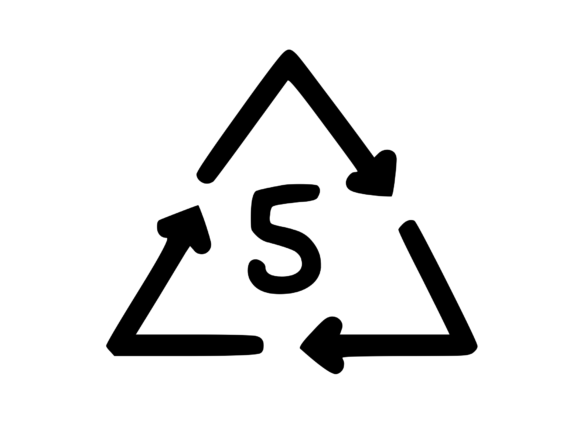
When I first opened the Recycle Symbol with Playful Mono 5 file, I was curious how a classic eco-icon would translate into an embroidery project. The recycling symbol is one of those universally recognized marks that can feel either sterile or inviting. This version leans into the playful side without losing the message. The monoline treatment keeps the shape clean, while the slight whimsy in the line work adds a hand-drawn warmth that feels modern and approachable. As someone who has tested hundreds of machine embroidery designs for real client work and my own craft business, I was eager to see how this embroidery file would hold up under the needle.
The design belongs naturally in the Crafts and Graphics categories, but its real strength lies in how adaptable it is. Whether you are stitching a custom tote for a local market or adding a subtle statement to a sweatshirt embroidery, this mark does not shout. It invites conversation. That is the kind of detail that matters when you are building a handmade product line that customers actually connect with.
First Impressions of This Eco-Friendly Embroidery Design
The first thing I noticed about Recycle Symbol with Playful Mono 5 is the balance between simplicity and personality. The arrows are clear and easy to read at a glance, but the slightly uneven line weights give it a drawn-by-hand feel that separates it from a generic clip-art icon. This is not the stiff, corporate recycling logo you see on a bin. It is the kind of mark you would want on a personalized gift or a boutique product meant to feel thoughtful.
The design uses a combination of running stitch and satin stitch elements that work together to create texture without clutter. The stitch density appears moderate, which means it will stitch out cleanly on most fabrics without excessive stiffness. For a digital embroidery file in this style, the detail level is appropriate for both small and medium-sized applications. I would not recommend shrinking it below a certain size, but for most practical uses, the proportions hold up well.
Visually, this design fits a wide range of projects. It works for an embroidered patch on a denim jacket, a centered motif on a tote bag design, or a subtle chest emblem on a t-shirt. The playful mono treatment also makes it suitable for children's items, like a baby embroidery onesie or a toddler's backpack, without feeling overly childish.
Testing the Design on Real Products: From Tote Bags to Sweatshirts
I stitched out Recycle Symbol with Playful Mono 5 on a medium-weight cotton tote bag first. The fabric had a slight texture, which usually helps camouflage any minor stitch irregularities. The design ran smoothly through the machine, and the arrows maintained their shape without pulling or distortion. The fill stitch areas remained even, and the satin stitch borders had a nice, clean edge. I used a tear-away stabilizer on the back, and the result was a crisp, professional-looking finish that felt sturdy enough for everyday use.
Next, I tested it on a sweatshirt embroidery project. Sweatshirt fleece can be tricky because it has stretch and thickness. I added a cut-away stabilizer and a light layer of topping to keep the stitches from sinking into the nap. The design handled the stretch well. The arrows did not distort, and the playful line quality actually helped disguise any minor shifting that can happen on knit fabrics. This would be a strong choice for a small shop making eco-themed apparel for local markets or Etsy seller listings.
I also tried it on a cap. Curved surfaces like caps require special attention to hoop size and placement. I used a cap frame and positioned the design slightly off-center for a modern look. The arrows bent slightly with the curve, but the playful nature of the mono lines made this feel intentional rather than flawed. If you are producing custom apparel for an environmental nonprofit or a community clean-up event, this design would work well on hats, aprons, and even pillow covers.
For a kitchen towel or tea towel project, the design stitched out flat and clean. Towels have a looped texture that can swallow detail, but the open areas in the arrows kept the design readable. I would suggest using a water-soluble topping to keep the stitches visible on the surface.
Where This Design Shines and Where to Be Cautious
Recycle Symbol with Playful Mono 5 is versatile, but it has limitations. It shines on medium to large projects where the arrows can breathe. Think apron fronts, boutique branding on gift bags, or a centerpiece patch on a reusable shopping bag. It also works beautifully as a decorative accent on nursery decor, such as a wall hanging or a small blanket, especially if you are going for an earthy, modern theme.
Where you need to be careful is with small hoop sizes. If you are using a 4x4 hoop and the design takes up most of that space, the arrows can feel cramped. I would recommend testing it on scrap fabric first to see if the proportions suit your intended product. On thin fabric like a lightweight t-shirt, the stitch density might cause some puckering if you do not use a proper stabilizer. A cut-away stabilizer is your friend here.
On dark fabric, the design reads well if you choose a contrasting thread color. A bright white or a vivid green will pop beautifully. If you use a dark thread on dark fabric, the playful line work can get lost. The same is true for textured fabrics like fleece or boucle, where the mono lines need a clean background to stay sharp.
For layered garments or items with multiple seams, avoid placing the design directly over a thick seam or a zipper. The arrows will distort, and the running stitch details may not align properly. This design is best on flat, stable surfaces where the shape can remain true.
Visual Appeal, Customer Perception, and Product Value
From a buyer's perspective, Recycle Symbol with Playful Mono 5 signals intention. It says the product is not just functional but also aligned with a value system. For Etsy sellers and small shop products, that can translate into higher engagement and better reviews. Customers who care about sustainability are often willing to pay more for a handmade product that feels authentic. This design helps deliver that authenticity without being preachy.
The playful mono treatment also makes the design more giftable. A holiday gift or wedding gift that features this mark can appeal to eco-conscious recipients without feeling like a lecture. It works for personalized gifts like monogrammed towels with a subtle recycling motif, or for baby embroidery items that carry a gentle message about caring for the planet. The recognition factor is strong, which is important for brand consistency if you are building a line of small business merchandise.
For commercial embroidery projects, such as corporate gifts for a green company or merchandise for an environmental campaign, this design communicates professionalism with a friendly edge. It is memorable without being loud, which is a rare balance in design assets of this type. When I look at it in printable mockups, it reads clearly and does not require explanation. That is a marker of good design.
Practical Embroidery Notes Before You Stitch
Before you commit to a full production run, here are a few things I recommend. First, test the design on scrap fabric that matches your final product. This is not just about checking the stitches. It is about understanding how the thread colors interact with the fabric texture and whether the playful line work reads as intended. A quick test can save you from wasting material on a batch that does not meet your standards.
Check thread color contrast carefully. I suggest viewing the design in black and white mockups first to see if the arrows have enough separation from the background. If the lines blur together, consider a higher contrast thread. Also, review the stitch density before stitching. If the file feels too dense in certain areas, you may need to adjust your machine settings or use a lighter stabilizer to avoid puckering.
Confirm your hoop size before starting. The design needs enough room for the arrows to open up properly. If you are working with a small hoop, consider whether you can scale the design without losing the playful character. Most digital embroidery files allow some resizing, but always test a scaled version first.
Inspect small details closely. The mono lines have a hand-drawn quality that can look uneven if the machine is not properly calibrated. Make sure your needle is sharp and your tension is balanced. For applique design versions of this motif, the same care applies. Use a stabilizer that matches the fabric weight, and do not rush the stitching process.
Finally, check the licensing before you sell. The product description states that Recycle Symbol with Playful Mono 5 is a great choice for all artists, designers, and crafters, and that you can use this fantastic SVG to decorate or craft with, and proudly reproduce it. But confirm whether the license covers commercial embroidery and digital product sales before listing finished items or selling the file itself. This is a step I remind every creative entrepreneur to take seriously.
Final Thoughts on Using This Design in Your Craft Business
Recycle Symbol with Playful Mono 5 is a solid addition to any embroidery designer's library. It is not a flashy, trend-driven motif that will feel dated next season. It is a meaningful, recognizable symbol executed with a light, human touch. For handmade shop owners, apparel decorators, and small business owners who want to offer products that feel both personal and purposeful, this design delivers.
I would use it for custom embroidered tote bags at a farmers market, as a signature mark on a line of eco-friendly boutique items, or as a subtle detail on personalized gifts for environmentally minded friends. It also has potential for craft fair products where you want to communicate your values without saying a word. The design does the talking.
If you are an Etsy seller looking for design assets that stand out without being complicated, this is worth your time. Test it, adjust your stabilizer, and let the playful mono lines bring a little warmth to your next embroidery project. It is a small mark with a big message, and that is exactly what thoughtful machine embroidery design should be.