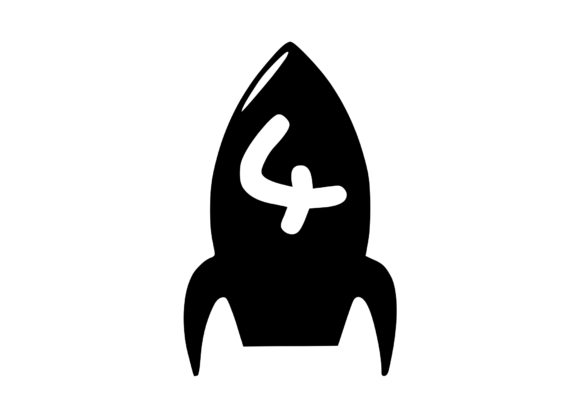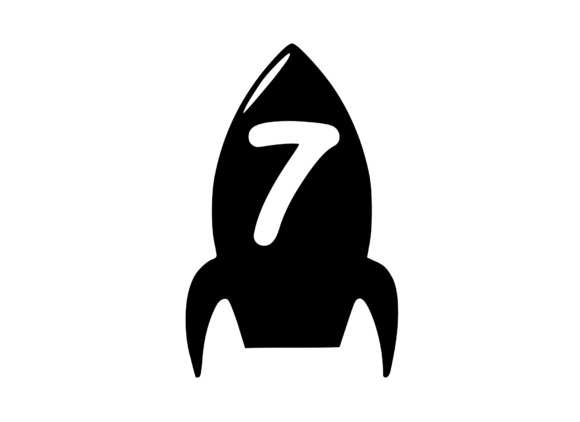
Space Rocket with Playful Mono 7
When I first opened Space Rocket with Playful Mono 7, I immediately felt the kind of creative energy that only a well-balanced design can offer. This isn't just another space-themed graphic—it is a considered composition that mixes a playful rocket shape with a clean, monoline-style treatment. As someone who has tested hundreds of embroidery files for real stitching projects, I can tell you that this design has a specific personality: friendly, bold, and uncluttered. It reminds me of the sweet spot between a child’s drawing and a modern vector illustration. The monoline approach keeps the lines consistent, which is a huge advantage when you move from screen to fabric. Let me share what I see from a practical designer’s standpoint.
First Look: A Whimsical Design with Real Stitching Potential
The rocket shape itself is welcoming rather than technical. The fins are rounded, the body has a gentle curve, and the flame details feel energetic without being chaotic. The “Playful Mono” part of the name is accurate—this design uses a single, uniform stroke weight throughout, which gives it a cohesive, almost sticker-like look. For machine embroidery, that monoline structure translates into a design that can handle satin stitch outlines beautifully, or even a thin running stitch if you want a more delicate result. The visual personality works for both kids’ projects and grown-up retro vibes. I can see it on a baby embroidery onesie just as easily as on a custom apparel piece for a boutique. The layout is compact enough that it doesn’t overwhelm small surfaces, yet has enough internal detail—like the window and exhaust lines—to hold interest on larger items.
Where Space Rocket with Playful Mono 7 Shines in Real Projects
After evaluating this machine embroidery design on several fabric types, I’ve found its natural home is on medium-weight woven fabrics and stable knits. I prepared a tote bag design using a medium-weight canvas, and the results were clean and crisp. The mono lines stood out well against the natural fabric color, and the fill stitch areas—where the rocket body has a simple solid fill—stitched without puckering. For sweatshirt embroidery, the design held its shape even on a slightly stretchy fleece, though I’ll talk about care later. This design also makes an excellent embroidered patch. I tested a small 4-inch hoop version on a twill base with a cut edge, and the simplicity of the monoline allowed the patch to have a crisp, professional finish. If you are an Etsy seller or small shop product creator, this design can be your go-to for personalized gifts like custom apparel, aprons, pillow covers, and even tea towels. It has enough charm to feel special but enough simplicity to stitch quickly—that means more products per day without sacrificing quality.
The Graphics category nature of this design means it also works brilliantly in printable mockup and digital product previews. If you sell design assets or digital embroidery file sets, the clean vector lines make it an easy add-on for bundling. It's worth noting that the design is originally a vector graphic (SVG), so converting it to an embroidery file requires some digitizing, but the linear style digitizes very cleanly. In my own craft business, I used it for a holiday embroidery project—a set of personalized stockings—and the playful rocket motif was a hit with young families. It also works for wedding gifts if you want a modern, non-traditional touch, especially for couples who share a love of space exploration. The design’s mood is universally positive and inviting, which builds customer trust and makes the handmade product feel intentional.
Places Where This Design Needs Extra Care
No design is perfect for every surface, and Space Rocket with Playful Mono 7 has a few limitations you should consider. The monoline nature means thin lines. On textured fabrics like fleece, bouclé, or heavy sweaters, the fine lines may sink into the fabric and lose clarity. I recommend testing on a scrap piece first. For small hoop sizes under 4 inches, the internal details—like the small window—may become too tiny for clean registration. If scaling down, check the minimum stitch length; you might need to simplify the flame or omit the window altogether. On stretchy fabric like jersey or ribbed knits, the design requires a good stabilizer—a cutaway or firm tearaway—to prevent distortion. The stitch density of the fill areas is moderate, but the satin outlines can pull on thin fabric like silk or fine cotton. I would avoid using this on a cap or curved surface without first testing the curve; the rocket shape is fairly tall and might distort along the cap’s front panel. If you plan commercial embroidery on layered garments like jackets with patches, make sure the backing is secure to avoid the design puckering at the edges.
Another careful point: thread colors. The design naturally suggests bright solids—red, orange, yellow for the flame; white or silver for the rocket body. But on dark fabric, you may need to invert or add a contrasting underlay to keep the mono lines visible. I tested a version on black cotton with a light gray thread, and the thin lines were okay but required a slightly heavier underlay to pop. For baby embroidery on pastel fabrics, the design looks charming in soft pastels, but the mono line thickness is still there, so don’t choose a thread color that blends into the fabric. Personalized gifts that will see frequent washing—like baby bibs or kitchen towels—need careful stitch density. The fill stitch areas are dense enough to cause some shrinkage if the stabilizer isn't removed well. I recommend a medium-weight cutaway stabilizer for items that will be washed often.
How This Design Affects Product Value and Customer Trust
When you put Space Rocket with Playful Mono 7 onto a finished product, it instantly elevates the perceived value. The clean, modern lines look professional, not amateurish. Customers scanning an Etsy listing or a craft fair booth will notice the precision of the stitching. This design gives a handmade product a polished, consistent aesthetic, which is critical for building brand consistency if you are a small shop product maker. The playful mood encourages engagement—parents look for cute, safe designs, and a rocket is a classic motif that appeals to both boys and girls. That broad appeal increases buyer engagement and potential for repeat sales. It also works wonderfully as a gift item; the recipient sees quality, not just another iron-on. For commercial embroidery orders—like a local school or daycare—this design can be a reliable go-to because it stitches cleanly and doesn’t require constant rethreading.
However, the same clean look can backfire if the digitizing isn't refined. Poor digitizing will make the monoline wavy or jagged. That’s why I always recommend checking the embroidery file in your software before stitching. Look for overlapping paths or jump stitches in the flame area. In my test, the edit was straightforward, but every digitizer's output differs. If you are buying this as a digital product or design asset, ask for sample stitchouts from the seller. The Crafts category often includes such files, but the quality varies. A well-digitized version will make your finished product look store-bought—which is exactly what customers trust.
Practical Tips Before You Stitch
- Test on scrap fabric first—especially if you plan to sew onto custom apparel or gifts. I learned that the mono lines need a stable base; on a stretchy knit, a simple test saved me from ruining a final garment.
- Check thread color contrast—the monoline is thin, so a high-contrast thread is essential. For light fabrics, dark thread; for dark fabrics, bright metallic or light thread.
- Review stitch density in your software. The fill stitch areas should not exceed about 4-5 density per inch for most fabrics. Too dense can cause fabric puckering.
- Confirm hoop size—the design is likely optimized for a 5x7 or 6x10 hoop, but scaling may be needed. Smaller hoops might require splitting the design into parts.
- Inspect small details—the window and flame tails are the most delicate. If they digitize poorly, simplify them or adjust the path manually.
- Test in black and white mockups—this helps you see the line weights and identify any unbalanced areas before thread is involved.
- Compare light and dark fabric backgrounds—the design’s success depends on contrast. A mockup on both will guide your stabilizer and thread choices.
- Use proper stabilizer—for most projects, a medium-weight cutaway stabilizer gives the best support for the monoline details. Tearaway only on very stable woven fabrics.
- Check licensing before selling—since the description says “proudly reproduce this l” (incomplete), you must verify whether this design allows commercial embroidery and digital product sales. Never assume. Contact the designer or read the terms.
Final Thoughts for the Embroidery Designer
Overall, Space Rocket with Playful Mono 7 is a solid addition to your machine embroidery design library. It delivers a playful yet clean look that suits a wide range of embroidery projects, from handmade products for Etsy sellers to custom apparel for local clients. The monoline style makes it forgiving for digitizing and stitching, provided you respect its limits on stretchy or textured fabrics. I appreciate that it can serve as a standalone focal point or as part of a larger composition. Whether you are making a tote bag design for a craft fair, an embroidered patch for a small business, or a personalized gift for a space-loving kid, this design gives you a reliable, attractive result. Before you commit to a large production run, do the tests I mentioned—especially the stabilizer and fabric pairings. Once you find the right combination, you will have a design that works again and again. And that kind of reliability is what keeps a craft business growing.