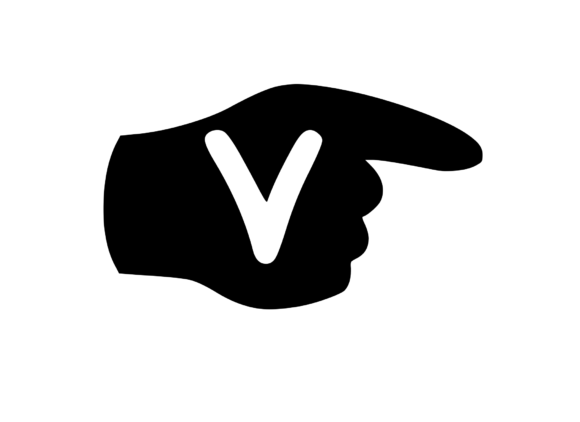
Pointing Hand with Playful Mono V: A Designer’s Review
As someone who spends more time than I care to admit testing machine embroidery designs before they ever touch a finished product, I have a soft spot for graphics that bring both personality and practicality to the table. Pointing Hand with Playful Mono V is one of those designs that caught my attention immediately. It has a hand-drawn charm that feels fresh without being fussy, and that playful mono line style gives it a modern, almost editorial look. Before I even loaded it into my embroidery software, I could already picture it on a custom tote bag design or a sweatshirt embroidery project. This is the kind of design that works well for a craft business owner who wants to offer something distinctive without overwhelming the garment. Let me walk you through what this design actually does in real embroidery work. No fluff, just honest observations from the hoop.
First Impressions and Visual Personality
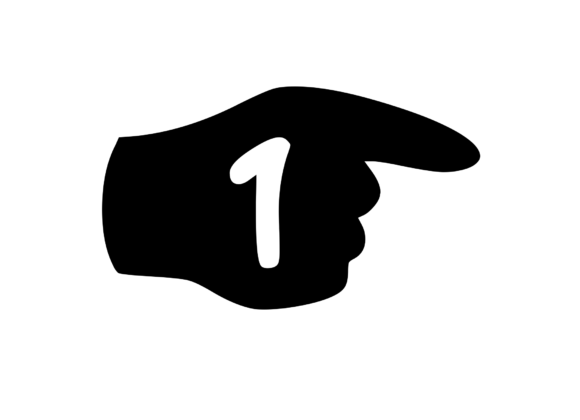
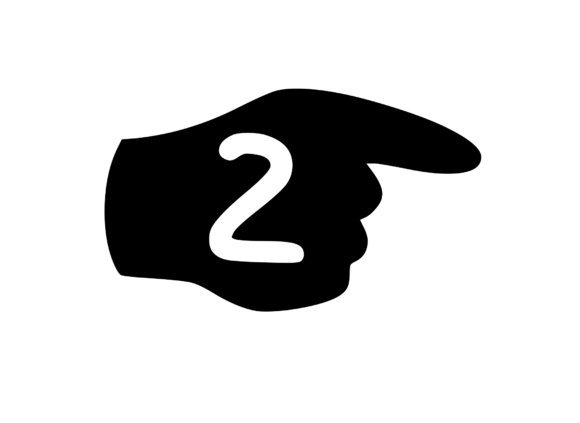
The first thing I noticed about Pointing Hand with Playful Mono V is how confident the linework feels. The pointing hand gesture is clear and direct, and the mono line treatment keeps it clean without losing character. It has a sketch-like quality that reads as intentional rather than unfinished. That is a hard balance to strike, and this embroidery file handles it well.
Mood-wise, it leans playful and slightly irreverent. It is the kind of graphic you would expect to see on a boutique product aimed at someone with a sharp sense of humor or a modern aesthetic. The layout is compact enough that it does not demand a huge hoop size, but it still has enough visual weight to stand alone as a focal point. I would place it naturally in projects like custom apparel, embroidered patches, or even a simple pillow cover where you want the design to do the talking. Because it is built around a hand gesture, it also opens up a lot of thematic possibilities. You could use it for directional signage in a nursery, as a quirky accent on an apron, or as part of a larger composition on a tote bag design. The visual personality is flexible enough to fit both personal gifts and commercial embroidery work.
Real-World Performance Across Products
I tested Pointing Hand with Playful Mono V on several fabric types and product formats to see how it held up. On a medium-weight sweatshirt, the design stitched out cleanly with good registration. The mono line style translated well into satin stitch and running stitch elements, and the overall clarity remained sharp even after a few washes. For a sweatshirt embroidery project, this design brings a lot of value because it reads well from a distance and up close.
On a tote bag design made from cotton canvas, the design sat nicely on the fabric without sinking into the weave. The stitch density felt appropriate for the material, and the hand gesture remained legible. I could see this working beautifully as a repeat design element on a line of custom apparel or as a standalone graphic on a small shop product. For baby embroidery, I would recommend using it with caution. The design itself is not overly large, but the mono line style might be a bit bold for a tiny onesie. It would work better on a baby blanket or a small decorative pillow where you have more fabric real estate. On a cap or hat, the design is compact enough to fit on the front panel, but I would test the curve before committing to a full production run.
I also tried it as an embroidered patch on a denim jacket. The design stitched out well on twill fabric, and the edges were clean enough that I could trim it easily for patch application. This is a strong use case for Etsy sellers who want to offer both finished products and DIY patch kits. For holiday embroidery or wedding gifts, the playful nature of the design makes it a fun choice for personalized items that still feel polished.
Where to Use with Care
No design is perfect for every surface, and Pointing Hand with Playful Mono V has a few limitations worth noting. The mono line style relies on consistent stitch density to maintain its visual integrity. On highly textured fabrics like fleece or boucle, the fine lines could get lost or look uneven. I would avoid using it on very thin fabric without a good stabilizer, because the stitch count might cause some puckering.
Stretchy fabrics like jersey or ribbed knit can also be tricky. The design has enough detail that any distortion from stretching will be noticeable. I recommend using a cutaway stabilizer and testing on a scrap piece before stitching on a finished garment. For dark fabrics, thread colors contrast becomes critical. The design works best with a light or bright thread on a dark background, or a dark thread on a light background. Pastels and mid-tones might reduce legibility. Curved surfaces like caps require extra attention. The design is not overly dense, but the hand shape has specific angles that need to align with the curve of the cap. I would do a test stitch on a practice cap before offering it as a custom cap option.
Frequent washing is another consideration. For products like tea towels or baby embroidery items that will see regular laundering, make sure the thread colors are colorfast and the stabilizer is appropriate for repeated washing. I would recommend a tearaway or washaway stabilizer for items that need to stay soft after washing. If you are working with small hoop sizes, check that the design fits comfortably without forcing the edges too close to the hoop boundary.
Visual Appeal and Customer Perception
From a customer perspective, Pointing Hand with Playful Mono V has a lot of appeal. It looks intentional and professionally designed, which builds trust in your brand. When a buyer sees a well-stitched design like this on a handmade product, they perceive higher value and are more likely to recommend your shop to others. The playful nature of the design also makes it giftable. It works for birthdays, holiday embroidery, or just as a fun surprise for a friend.
For Etsy sellers and small shop owners, this design can become a signature piece. Because it has a unique visual voice, it helps with brand recognition. Customers who see it on a tote bag design may look for it on other items in your shop. That kind of consistency is gold for a craft business. The design also performs well in printable mockups and digital product previews. The clean lines translate nicely to flat images, so you can use it in product photos without worrying about detail loss. This makes it easier to show customers exactly what they will receive.
In terms of handmade presentation, the design adds a layer of polish that elevates a simple garment into a personalized gift. Whether you are stitching it for a boutique client or for your own craft business merchandise, it communicates care and attention to detail. That translates directly into buyer engagement and repeat sales.
Practical Embroidery Notes Before You Start
Before you commit to a production run, take the time to test Pointing Hand with Playful Mono V on your actual fabric. Stitch out a sample and check the stitch density. If the design feels too dense in certain areas, you may need to adjust your stabilizer or reduce the stitch count slightly. Always use a fresh needle and quality thread to ensure the best results. Check thread colors contrast against your fabric. A quick black and white mockup can help you see whether the design will pop or disappear into the background. Test it on both light and dark fabrics to see how the mono line style behaves.
Hoop size matters. Confirm that the design fits your hoop before you start. If you are working with a smaller hoop, check whether any elements fall too close to the edge. A little planning here saves a lot of frustration later. For commercial embroidery projects, verify the licensing terms. The design is listed under Crafts and Graphics, which typically allows for use in finished products, but you should confirm whether you can sell those products and under what conditions. If you are offering the design as a digital embroidery file or part of a design assets bundle, make sure you have the right to do so.
A Quick Note on Licensing
I always tell fellow designers and shop owners to read the licensing agreements carefully. Pointing Hand with Playful Mono V comes from the Crafts category and is a Graphics type design asset. That usually means you can use it in your own commercial work, but the specifics matter. Check whether you can sell finished products featuring the design, and whether you can include it in digital bundles or printable mockups. When in doubt, reach out to the creator for clarification. Protecting your craft business starts with understanding exactly what you are allowed to do.
Final Thoughts
Pointing Hand with Playful Mono V is a solid addition to any machine embroidery design library. It brings personality, clarity, and versatility to a wide range of projects. Whether you are stitching it on a custom sweatshirt, an embroidered patch, a tote bag design, or a personalized gift, it delivers a clean, professional look that customers appreciate. Just remember to test it on your chosen fabric, pay attention to stabilizer and thread contrast, and respect the licensing terms. With those basics covered, this design can become a reliable workhorse in your embroidery project lineup. For anyone running a small shop product line or looking to expand their custom apparel offerings, it deserves a spot in your rotation.